Understanding Composition in Smartphone Photography for Social Media
The Rule of Thirds
One of the foundational principles of photography composition is the Rule of Thirds. This technique involves dividing your frame into a 3×3 grid, resulting in nine equal sections. The focal points of your image should be placed along the lines or at the intersections of these grid lines. For smartphone photography, this rule is beneficial because it creates a more balanced and engaging image, drawing the viewer’s attention to the most important elements. Most smartphones offer a grid guide in their camera settings, making it easy to implement this technique.
Leading Lines
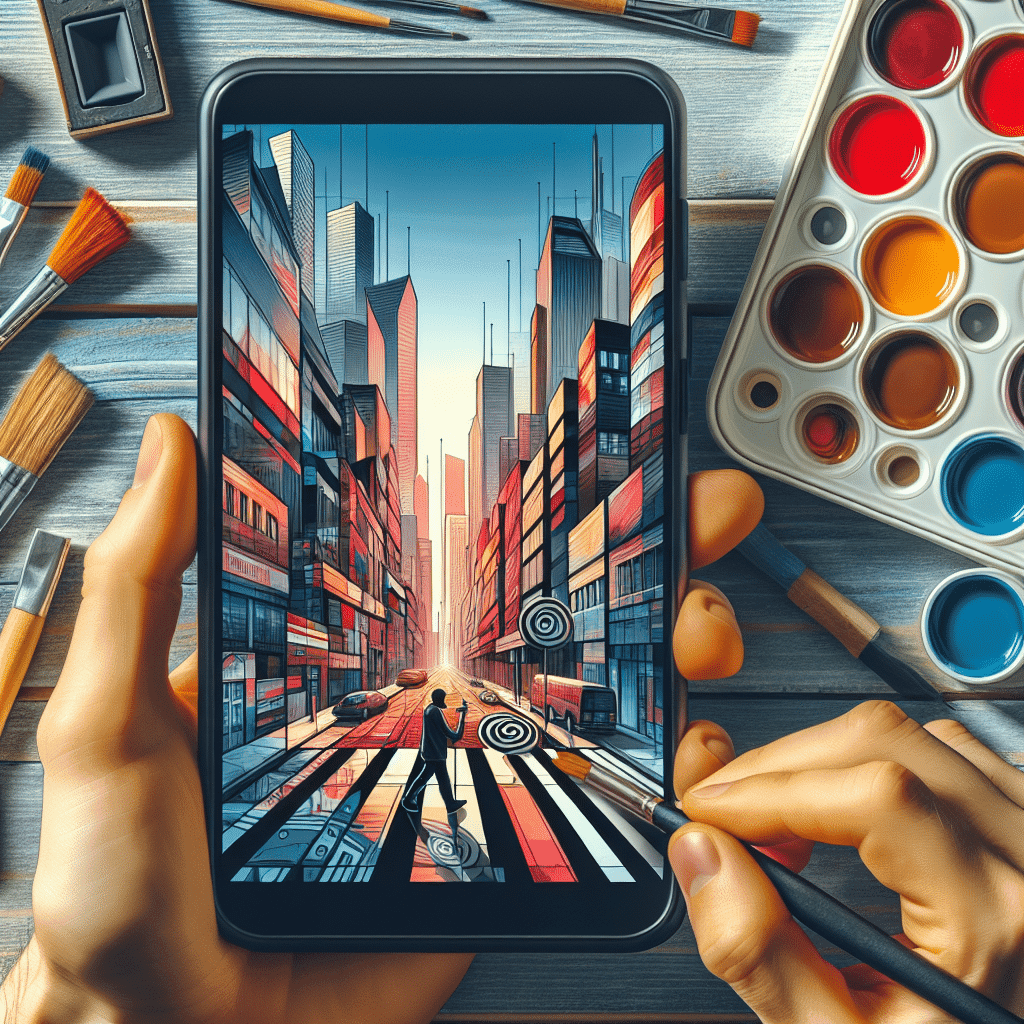
Leading lines are a powerful compositional tool that naturally draws the viewer’s eye into a photograph. These lines can be anything from roads, paths, buildings, or even natural elements like rivers. To utilize leading lines in smartphone photography, frame your shot to include these lines that lead toward your subject. This technique creates a sense of depth and perspective, enhancing the visual journey for the viewer. Experiment with different angles to see how leading lines can change the mood of your photograph.
Framing
Framing involves using elements in your environment to create a ‘frame’ around your subject. This technique adds context and focus, helping to isolate the subject from the background. Look for doorways, windows, branches, or arches when capturing a shot, and allow them to naturally enclose your subject. Framing not only enhances the composition but also gives a three-dimensional feel to the image, making it more enticing on social media platforms.
Balance and Symmetry
Achieving balance in your photographs means distributing visual weight evenly throughout the composition. While asymmetrical compositions can be dynamic and interesting, symmetrical compositions often convey harmony and stability. When taking photos with your smartphone, consider centering your subject or arranging elements to achieve a balanced look. Nature and architectural elements often provide excellent opportunities for symmetrical shots, making these compositions ideal for striking social media content.
Negative Space
Negative space refers to the area surrounding your subject. Incorporating ample negative space can create a minimalist feel and help highlight your main subject. In smartphone photography, negative space is crucial as it can simplify a busy environment. When you’re composing your shot, think carefully about how much empty space to leave around your subject. This technique can be especially potent in social media, where cluttered images may become overwhelming to viewers.
Color and Contrast
Paying attention to color and contrast can dramatically improve your smartphone photography. Bold colors often attract attention, while contrasting colors can make your images pop. Consider using complementary colors—colors that are opposite each other on the color wheel—within your composition. By utilizing color theory, you can create images that not only attract the eye but also evoke emotions, encouraging viewers to engage with your social media posts.
The Importance of Depth
Creating depth in your smartphone photographs adds dimension and helps to pull viewers into the scene. This can be achieved using layers; place objects both in the foreground and background to create a multi-dimensional feel. Look for interesting elements at varying distances and position them thoughtfully in your frame. Additionally, using a wide aperture (if your smartphone allows) can create a slight blur in the background, effectively isolating your subject and enhancing the sense of depth.
Experimenting with Angles
Changing your perspective can dramatically alter the composition of your shot. Instead of shooting from eye level, try capturing images from a low angle or a high vantage point to add interest and uniqueness. Smartphone cameras are usually lightweight and easy to manipulate, allowing for creative shots that can stand out in a crowded social media feed. Be playful with your angles, as even a slight shift can yield surprising results.
Texture and Detail
Highlighting texture and intricate details can add a tactile quality to your images, making them more engaging. This technique is particularly effective in macro photography. Utilize your smartphone’s close-up capabilities to capture fine details, such as the veins of a leaf or the fabric of a garment. Such images can resonate well on social media, as they evoke a sensory experience that draws viewers in.
Utilizing Natural Light
The impact of lighting can make or break a photograph, especially in smartphone photography where sensor size limits how well images can be captured in low light. Natural light is often the best choice, providing a soft and flattering glow. Golden hour—shortly after sunrise or before sunset—offers the most exquisite lighting conditions. Position your subject so that the light complements the composition, creating shadows and highlights that enhance your image.
Storytelling Through Composition
Every photograph tells a story. Crafting your composition with a narrative in mind can dramatically elevate your smartphone photography. Consider the mood you want to convey and use your composition to guide the viewer through that narrative. Think about the relationships between the elements in your frame and what feelings they evoke. A well-composed image that tells a story is more likely to engage viewers, leading to likes, shares, and comments on social media.
Using Props and Accessories
Incorporating props or accessories into your composition can add interest and context to your photographs. These elements can serve as focal points or complementary pieces that enrich the story you’re trying to tell. Whether you’re capturing food, fashion, or lifestyle shots, props can transform a simple image into an interactive experience. Just ensure that the props enhance rather than overwhelm the main subject, keeping balance in mind.
Editing Your Images
While composition is crucial, editing can significantly enhance your smartphone photography. Utilize apps like Lightroom, Snapseed, or VSCO to adjust brightness, contrast, saturation, and sharpness. Cropping is also an essential part of post-production; it allows you to refine your composition and eliminate any distractions from the edges of the frame. Remember to maintain a consistent editing style that aligns with your personal brand on social media, as this contributes to a cohesive visual story.
Engaging with Your Audience
Finally, pay attention to the composition of your captions and hashtags alongside your images. Engaging storytelling in your post can deepen the impact of the visual composition. Use thought-provoking or relatable descriptions to establish a connection with your audience. Incorporate strategic hashtags that will increase your discoverability and enhance engagement.
By mastering the principles of composition in smartphone photography, you will elevate your social media presence and create compelling visual content that resonates with your audience. Whether you’re an amateur photographer or a seasoned pro, these strategies will empower you to tell more captivating stories through your smartphone camera.