
Online therapy apps offer accessible mental health support from your smartphone or computer. They provide flexible scheduling and a range of therapists to choose from, making mental health care more convenient.
Finding the right online therapy app can be a game-changer for mental health. With a wide range of options available, it’s crucial to choose the best fit for your needs. These apps are designed to provide accessible and flexible mental health support, which is essential in today’s fast-paced world where stress and anxiety levels are on the rise. According to recent studies, the demand for mental health services has increased by 50% in the last decade, highlighting the need for effective and accessible solutions.
Whether you’re seeking support for anxiety, depression, or stress, these apps can provide valuable assistance. They offer tools and resources tailored to help you manage your mental well-being. For instance, many apps include features like mood tracking, guided meditation, and even virtual support groups, allowing users to engage with mental health care on their terms. This level of personalization is key, as it helps individuals feel more in control of their mental health journey.
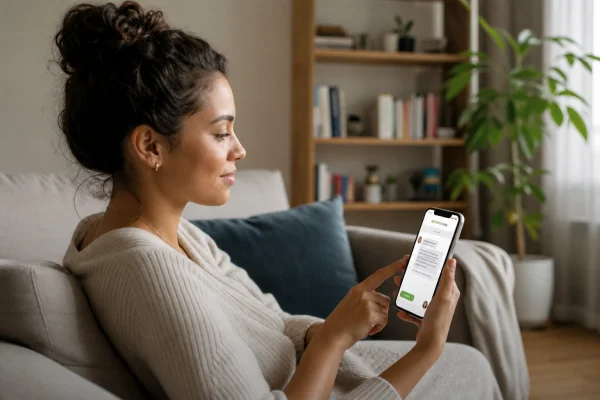
Explore this guide to discover top-rated therapy apps that can make a positive difference in your life. By incorporating these digital solutions, you can address mental health challenges more effectively, leading to improved quality of life and overall well-being.
What are the best online therapy apps?
Online therapy apps have become increasingly popular for those seeking mental health support from the comfort of their homes. These apps connect users with licensed therapists, offering a convenient and flexible solution for therapy. Among the best online therapy apps, BetterHelp and Talkspace stand out due to their comprehensive services and user-friendly platforms. In 2022, BetterHelp reported over 3 million users worldwide, a testament to its effectiveness and reach.
BetterHelp provides access to a vast network of licensed professionals who specialize in various mental health issues. Users can communicate with therapists via text, voice, or video, making it a versatile option. Talkspace, on the other hand, offers similar features but is often praised for its structured plans and ease of access. Both platforms ensure confidentiality and employ rigorous security measures to protect user information, which is crucial in maintaining trust and safety in digital therapy.
These apps are ideal for individuals looking for therapy without the constraints of traditional in-person sessions. They offer flexibility in scheduling and can be more cost-effective compared to face-to-face therapy. For example, a traditional therapy session can cost upwards of R$600 per hour in Brazil, whereas these apps offer packages that make therapy more affordable and accessible to a wider audience.
How do online therapy apps work?
Online therapy apps function by connecting users to mental health professionals through digital platforms. The process typically begins with a user signing up and completing a questionnaire to match with a suitable therapist. Once matched, users can choose their preferred mode of communication—text, audio, or video—to start their sessions. This flexibility is especially beneficial for those balancing busy schedules or those who prefer not to commute to a therapist’s office.
Therapy apps like BetterHelp and Talkspace allow users to message their therapists anytime, providing ongoing support between scheduled sessions. This feature is particularly beneficial for those who experience anxiety or other mental health issues that might require immediate attention. The immediacy of digital communication means that help is always at hand, which can significantly alleviate distress during a crisis.
Additionally, many of these apps offer resources such as worksheets, journals, and guided sessions that focus on cognitive behavioral therapy (CBT) techniques. These resources are designed to help users develop coping strategies and improve their mental health over time. For instance, CBT techniques can empower users to challenge negative thought patterns, which is a critical component in treating conditions like depression and anxiety.
Who can benefit from using therapy apps?
Therapy apps are designed to support a wide range of individuals dealing with various mental health challenges. They are particularly beneficial for those who:
- Have a busy schedule and need flexible therapy options
- Live in remote areas with limited access to mental health services
- Feel more comfortable communicating digitally rather than face-to-face
- Need immediate support or crisis intervention
- Are looking for cost-effective therapy solutions
Apps like BetterHelp and Talkspace cater to diverse needs, offering specialized therapy for anxiety, depression, stress, and more. They are also suitable for individuals seeking therapy for the first time, providing a less intimidating introduction to mental health support. In particular, young adults who are digital natives often find these platforms more appealing than traditional therapy settings.
What are the limitations of therapy apps?
While therapy apps offer numerous benefits, they also have limitations that users should consider. One significant limitation is the lack of physical presence, which can be a barrier for individuals who find comfort in the physical presence of a therapist. Additionally, not all issues can be effectively addressed through digital communication alone. Serious mental health conditions, such as severe depression or schizophrenia, may require face-to-face interventions that therapy apps cannot provide.
Another limitation is the potential for technological issues, such as poor internet connectivity or app malfunctions, which can disrupt sessions and impact the quality of therapy. Furthermore, while some apps offer financial aid, the costs can still be prohibitive for some users, particularly those without stable income or insurance coverage.
It’s crucial for users to critically assess their own needs and circumstances when choosing between online therapy apps and traditional therapy options. Understanding these limitations can help users make more informed decisions about their mental health care.
Benefits of online therapy apps
- Access to licensed therapists from anywhere with an internet connection.
- Flexible scheduling with 24/7 availability to suit your lifestyle.
- Affordable options, often cheaper than in-person therapy, starting at about R$150 per session.
- Various communication methods like video calls, chat, and voice messages.
- Confidential and secure platforms ensuring privacy for all interactions.
How much do therapy apps cost?
The cost of therapy apps can vary significantly depending on the services offered and the duration of therapy. BetterHelp and Talkspace, for example, typically charge a monthly subscription fee, which ranges from $60 to $90 per week. This fee usually includes unlimited messaging and a set number of live sessions per month. In Brazil, this translates to approximately R$250 to R$375 per week, which can be a more sustainable option for many compared to traditional therapy costs.
While the cost may seem high at first glance, it’s important to consider the convenience and accessibility these apps provide. Compared to traditional therapy, which can cost upwards of R$600 per session, therapy apps offer a more affordable alternative without compromising on quality. Additionally, many employers are beginning to offer these services as part of employee wellness programs, further reducing the financial burden on individuals.
Some apps also offer financial aid or sliding scale pricing based on income, making therapy more accessible to individuals with lower income. Additionally, there are free options available, though they might offer limited features compared to paid services. These options can be particularly beneficial for students or individuals undergoing financial hardship.
Are there free therapy apps available?
Yes, there are free therapy apps available that offer valuable resources and support for mental health. While these apps might not provide direct access to licensed therapists, they often include features such as self-help tools, meditation guides, and community support forums. These resources can be instrumental in providing initial support and helping users develop self-care routines.
Apps like 7 Cups and Moodfit offer free versions that include peer support and self-help resources. These can be a good starting point for individuals looking to improve their mental health without financial commitment. However, for those seeking more personalized and professional support, investing in a paid app like BetterHelp or Talkspace might be more beneficial. Paid apps often provide access to licensed professionals and personalized care plans that free apps cannot match.
It’s important to evaluate what you need from a therapy app and choose accordingly. Free apps can be a great supplement to traditional therapy or paid apps, especially if you’re looking for additional tools and resources. They are also useful for those who want to try therapy apps before committing to a paid service.
What features should you look for in a therapy app?
When choosing a therapy app, it’s important to consider features that align with your mental health needs and preferences. Key features to look for include:
- Accessibility: Apps should be easy to navigate and accessible on multiple devices.
- Therapist credentials: Ensure that the app connects you with certified professionals.
- Communication options: Look for apps offering various modes of communication such as text, audio, and video.
- Privacy and security: Check for robust security measures to protect your personal information.
- Support resources: Additional resources like CBT tools, meditation, and journaling can enhance your therapy experience.
Apps like BetterHelp and Talkspace excel in these areas, providing comprehensive support for users. By evaluating these features, you can select an app that best supports your mental health journey. Additionally, consider trial periods or introductory offers that allow you to test the app before committing to a subscription.
Dúvidas Frequentes
Yes, studies show that online therapy can be as effective as in-person therapy, especially for cognitive behavioral therapy (CBT).
Online therapy ranges from R$150 to R$300 per session, depending on the platform and therapist expertise.
Yes, most apps allow you to select from a list of licensed therapists based on your preferences and needs.
Most platforms offer the option to switch therapists at no extra cost if you're not satisfied with your current therapist.
Yes, reputable therapy apps use encryption and comply with privacy laws to protect your data and ensure confidentiality.
Conclusion: Choosing the right therapy app for you
Online therapy apps have revolutionized the way people access mental health services. With options like BetterHelp and Talkspace, users can find convenient, effective therapy solutions tailored to their needs. When selecting a therapy app, consider the features that matter most to you, such as accessibility, therapist credentials, and additional resources. Take advantage of trial periods to explore different apps and determine which one fits best with your lifestyle and mental health goals.
Remember that the best therapy app is one that meets your specific needs and helps you achieve your mental health goals. Explore different options, take advantage of free trials, and don’t hesitate to reach out for support when needed. As mental health awareness continues to grow, these apps play a crucial role in providing accessible and effective care for everyone.
ℹ️ Importante: Este conteúdo é independente e meramente informativo. Não temos relação, afiliação, patrocínio ou controle sobre as instituições, programas ou plataformas citadas. Para informações oficiais, consulte sempre os canais das entidades envolvidas.